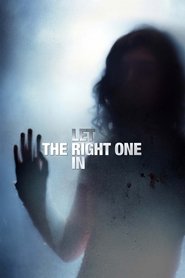
Hoyte van Hoytema grew up in the Netherlands and trained at the Łódź Film School in Poland, the same institution that shaped Roman Polanski and Krzysztof Kieślowski. His early career in Scandinavian cinema produced the collaboration that announced him internationally: Tomas Alfredson's Let the Right One In (2008), a vampire horror film whose visual language relied almost entirely on available darkness. Van Hoytema lit only with what the locations offered. It was a rare debut at that scale, and it arrived fully formed.
The Method
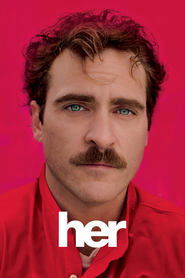
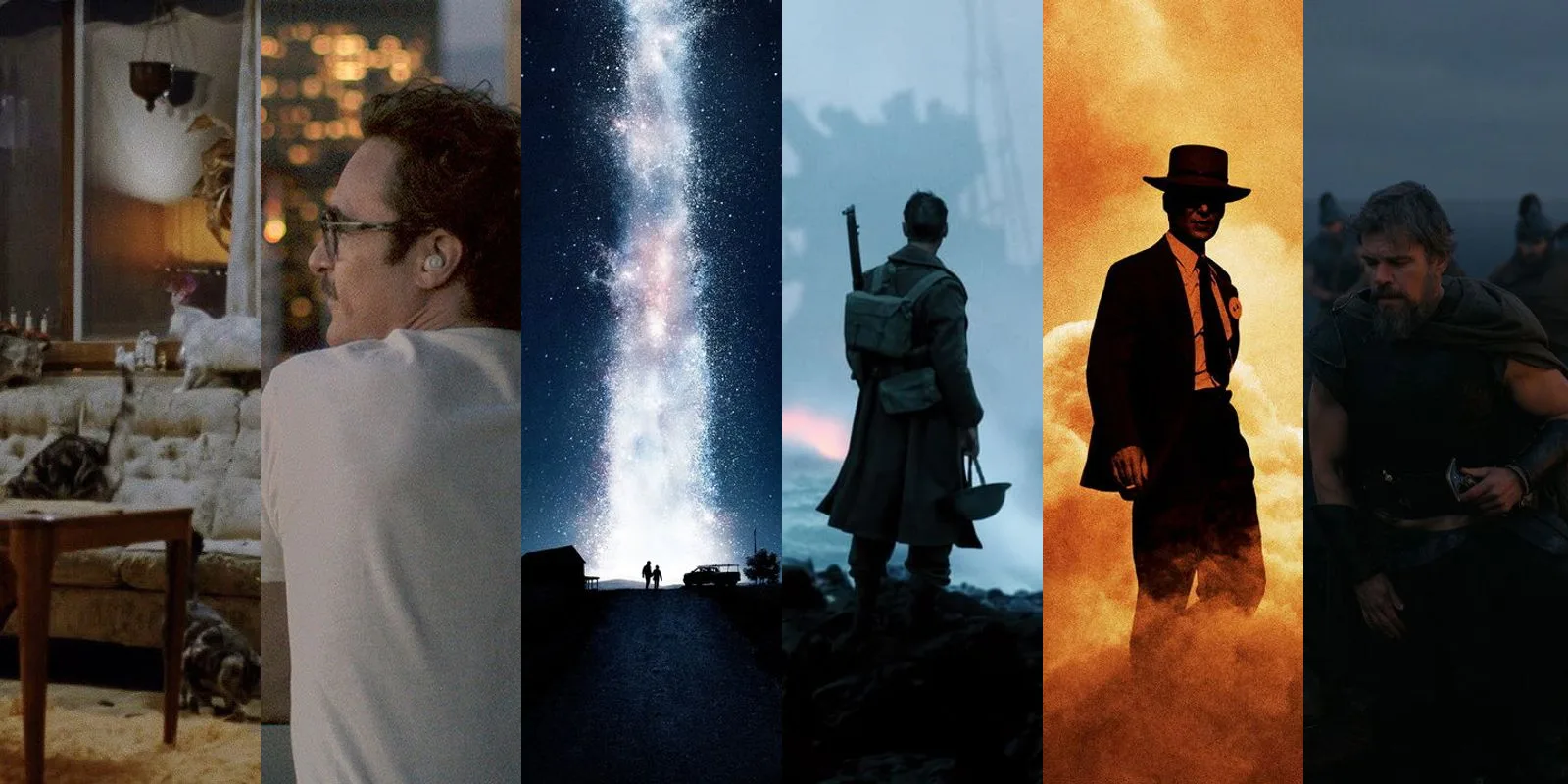
What followed was a run through varied registers and cinematographic dialects: the bare-knuckle handheld intimacy of The Fighter (2010), the grey institutional palette of John le Carré's Tinker Tailor Soldier Spy (2011), the warm, saturated interiority of Spike Jonze's Her (2013). Each looked different from the last. That was the point. Van Hoytema reads each project as a distinct visual problem, separate from any personal style imposed from outside the material.
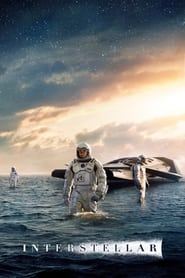
Christopher Nolan called for Interstellar in 2014, and the collaboration that would come to define the decade began. What distinguishes van Hoytema across all his collaborators is not a signature look but a signature commitment: he shoots on film when most of the industry has moved to digital, and he invents technical solutions rather than defaulting to what already exists.
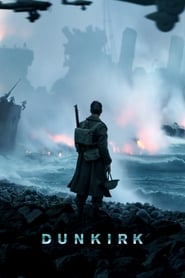
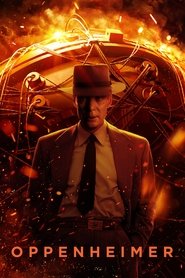
On Dunkirk (2017), he shot handheld sequences on 65mm and IMAX film simultaneously, earning his first Academy Award nomination. On Oppenheimer (2023), he won.
The Milestone
The Odyssey is the fifth film van Hoytema has shot for Nolan, and it is unlike anything either of them has made before. "Every production we look at each other and we say, 'Wouldn't it be wonderful if we do this entirely on IMAX?'" he told Time in May 2026. "I think we cracked the code."
The problems were specific. IMAX cameras are notoriously loud. Van Hoytema's crew built a custom blimp casing to muffle noise during intimate dialogue scenes. The cameras' short magazines require frequent film reloads, which meant entire sets fell silent between takes so actors could sustain concentration. The 400-pound camera body blocks actors' sightlines to scene partners, so the crew engineered a mirror system that restored natural eye contact during performance.
For a midnight sequence recreating the raid on Troy, van Hoytema rigged hundreds of portable LEDs calibrated to the precise color temperature of firelight. The point was freedom of direction: Nolan could film from any angle without matching or fighting artificial light sources. Every obstacle, met with a constructed answer.
The Odyssey has earned $1.627 billion worldwide. It is the first feature in cinema history shot entirely on IMAX cameras. Both facts are unusual on their own. Together, they mark a moment.