The Eye
Autumn Durald Arkapaw grew up in the San Francisco Bay Area, the daughter of a Filipino mother and a Black Creole father. She studied art history at Loyola Marymount University before enrolling at the AFI Conservatory, earning an MFA in cinematography in 2009. At AFI, she met Rachel Morrison, who would later precede her on the biggest project of her career.
Her break came through Gia Coppola. A mutual friend from AFI connected them; Coppola needed a camera test, and Palo Alto followed. The film announced a sensibility: low angles, symmetrical frames, light handled as though it carried intent. She has spoken about shooting dark and brown skin against prevailing convention, arguing that these complexions carry the most power when held in shadow rather than overexposed. It is a philosophy as much as a technique.
The Work
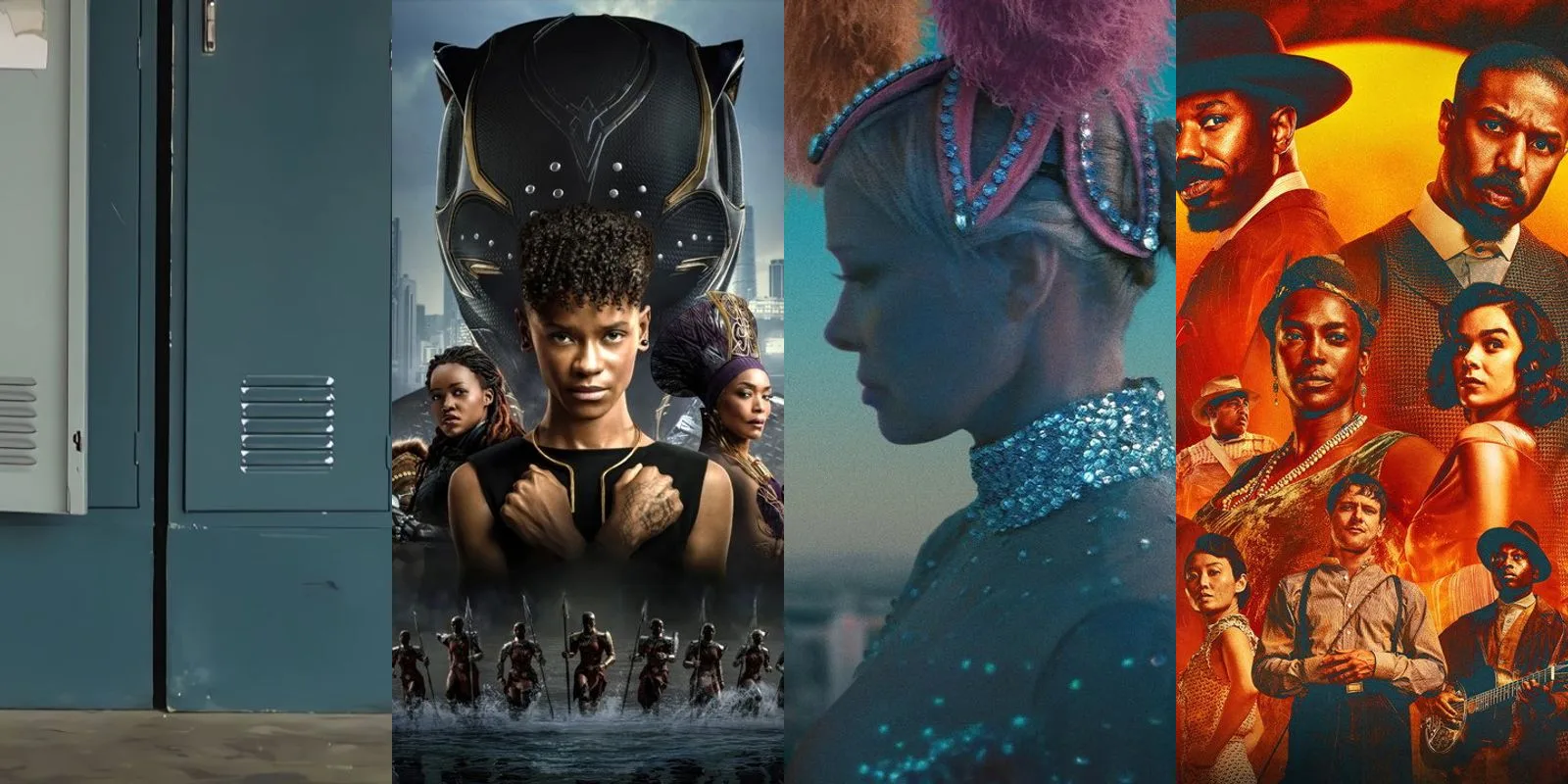
Her crossover to studio scale came when Ryan Coogler asked her to photograph Black Panther: Wakanda Forever (2022). Morrison, the first film’s DP, was moving into directing. Arkapaw joined early, working with Coogler on storyboards and previs, aligning the visual language with production designer Hannah Beachler from the start. The film’s underwater sequences involved shooting actors in water tanks and on a dry stage, feeding VFX teams with real light behavior and movement as reference.
The collaboration with Coogler deepened. When he brought her Sinners, a period horror film set in the Mississippi Delta, the shoot became a first. Arkapaw had never worked in large format. She photographed the film on IMAX 65mm, using IMAX 15-perf and Ultra Panavision 70 cameras, making her the first woman in cinema history to shoot a feature in that format. Between projects she also made The Last Showgirl (2024) with Coppola, their third collaboration, pushing back against studio pressure to shoot digitally. She refused. The film was shot on celluloid.
The Record
Sinners received 16 nominations at the 98th Academy Awards and won four. When Best Cinematography was announced in March 2026, Arkapaw became the first woman of color nominated in the category, only the third woman ever nominated, and the first woman to win. She was also the first Black person and the first Filipina to receive the award.
Her acceptance pointed outward: she had felt “so much love from all of the women on this whole campaign.” Of Coogler, who always thanks her in return, she said: “He really, truly means it.” The record, when it came, was built frame by frame across fifteen years of choosing projects by what they asked of her eye.