The Architecture of Scale
Denis Villeneuve does not make fast movies. The Canadian director, born in 1967 in Gentilly, Quebec, spent years in the Quebec film industry before his debut feature, August 32nd on Earth, in 1998. What emerged over the next two decades was a cinema of controlled deliberation: precise framing, unhurried pacing, and an insistence on IMAX format wherever possible. His films demand stillness from the audience. That demand is where his authority comes from.
From Incendies to Arrakis
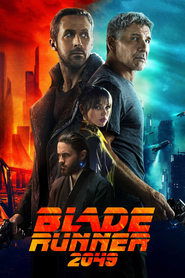
His path to franchise filmmaking was anything but direct. Incendies (2010) earned an Academy Award nomination for Best Foreign Language Film and established him internationally as a formally rigorous storyteller. Prisoners (2013) marked his Hollywood turn. Arrival (2016) earned him a Best Director nomination and reframed what blockbuster science fiction could ask of an audience. Blade Runner 2049 (2017) confirmed that his precision could operate at scale.
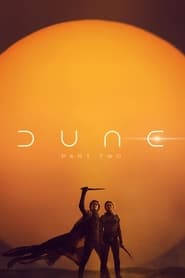
Then came the project everyone said could not be done. Villeneuve committed roughly five years to the Dune trilogy. Dune (2021) earned nominations for Best Adapted Screenplay and Best Picture. Dune: Part Two followed in February 2024, expanding both canvas and box office. The strategy was unusual for contemporary Hollywood: full authorial control, no director handoffs. Warner Bros. gave him the space, and it held.
The Endgame, and After
Dune: Part Three arrives December 18. Per the film's synopsis, the story is set nearly two decades after Paul Atreides seized the Imperium, now a ruthless Emperor facing the consequences of his reign. The final trailer, titled "Fremen keep their word," dropped October 28, 2026. Co-written with Brian K. Vaughan, it reunites Timothée Chalamet, Zendaya, Florence Pugh, Anya Taylor-Joy, Robert Pattinson, Jason Momoa, and Javier Bardem.
After the trilogy closes, Villeneuve is set to direct Bond 26, according to multiple reports. The pivot from desert epics to espionage is unexpected. But Villeneuve has never followed expected trajectories. He came up making films about grief and consequence; he is closing out a decade with the largest science fiction trilogy the industry has seen. The bet, in both cases, is the same: audiences will follow rigor anywhere it leads.