The Miniature Man
Takashi Yamazaki did not arrive at filmmaking through a festival short or a film school thesis. He arrived by building miniatures.
Born in 1964 in Matsumoto, Japan, he was thirteen when Star Wars played in his local theater and never fully recovered. By 1984, he was working in the Japanese effects industry as a miniature builder. After graduating from Asagaya College of Art and Design, he joined Shirogumi, the VFX house that would become his permanent base. He has never left.
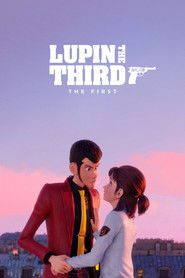
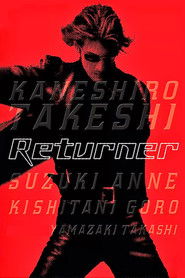
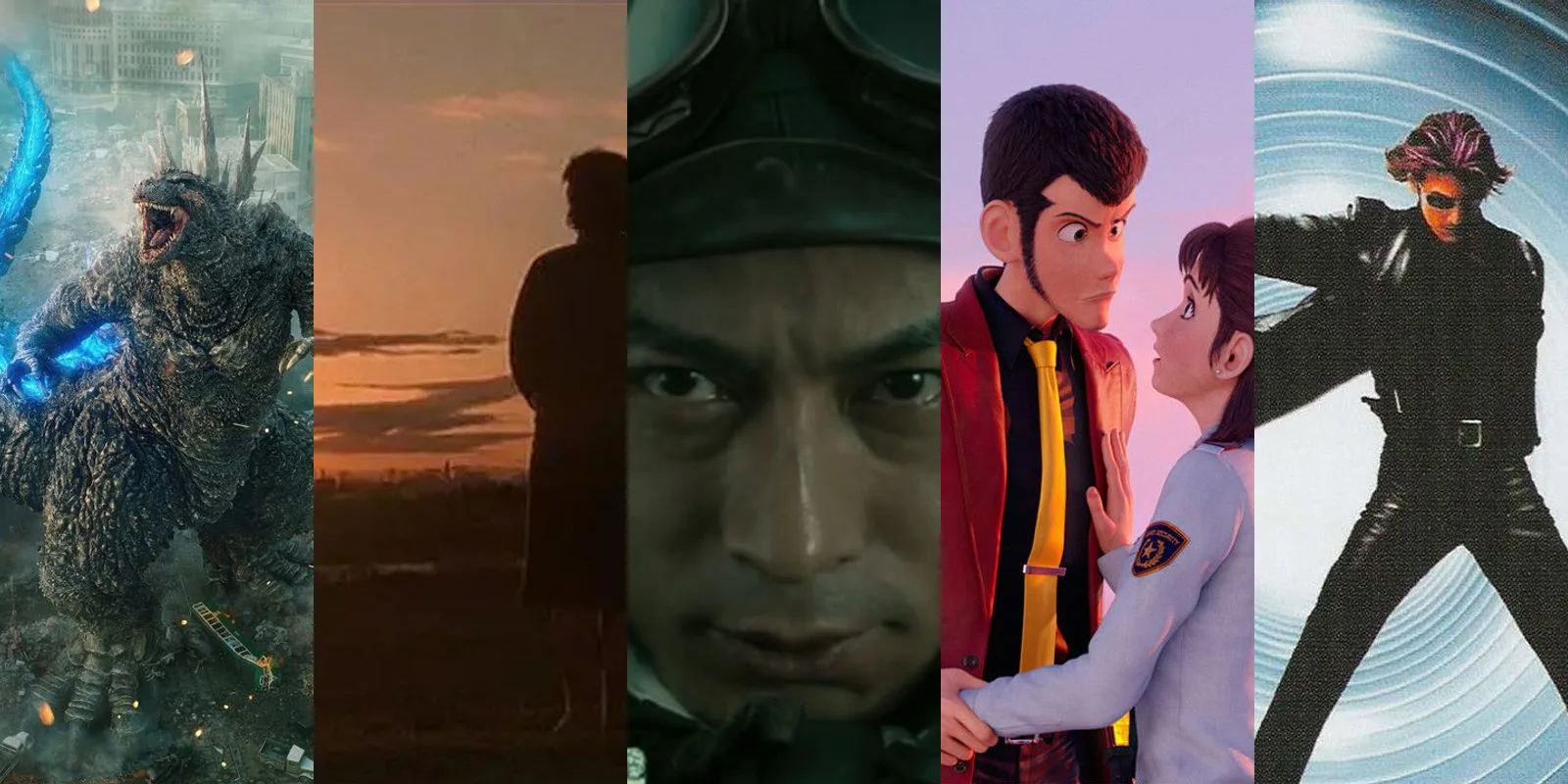
His first two features as director, Juvenile (2000) and Returner (2002), were ambitious science fiction at a time when the Japanese industry rarely funded either. They earned him the nickname Japanese James Cameron. A shorthand for: this person intends to do things no one here has done.
The $15 Million Oscar
The breakthrough in Japan came with Always: Sunset on Third Street (2005), a period drama set in 1950s Tokyo. It won twelve awards at the 29th Japan Academy Film Prize, including Best Picture and Best Director, and established Yamazaki as the country's most commercially reliable filmmaker.
Then came Godzilla Minus One.
Working from a budget of approximately $15 million, a fraction of what American studios spend on franchise reshoots, Yamazaki wrote, directed, and supervised the visual effects himself. His team numbered around 35 people. They completed 610 VFX shots in eight months. The film earned $107 million worldwide.
At the 96th Academy Awards, Godzilla Minus One won Best Visual Effects. It was the first time a Japanese team had ever received the award. Yamazaki accepted alongside VFX director Kiyoko Shibuya, 3D CG director Masaki Takahashi, and effects artist Tatsuji Nojima.
What's Next
The sequel, Godzilla Minus Zero, continues two years after the events of the first film, following the Shikishima family into new territory. The 64th New York Film Festival announced it as the Spotlight Gala, with a world premiere at Alice Tully Hall on September 26. The US theatrical release follows November 6.
"It is truly an honor to introduce our film to a global audience for the first time in a place of such history and prestige," Yamazaki said in a statement. "I am filled with both awe and excitement to see how far the power of Japan's Godzilla can terrify audiences around the world, and whether they will resonate with what lies beyond that fear."
Beyond Godzilla, Yamazaki is developing Grandgear, his Hollywood debut, with Bad Robot and Sony Pictures. Forty-two years after building his first miniature, he is making films for studios on two continents. The scale has changed. The instinct has not.