Hoyte van Hoytema was born in Horgen, Switzerland, in 1971, and trained at the Łódź Film School in Poland. His early career played out across Scandinavia and Northern Europe, shooting commercials and series in Sweden, Norway, and Germany before his features began to register internationally.
The Eye
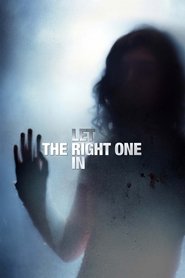
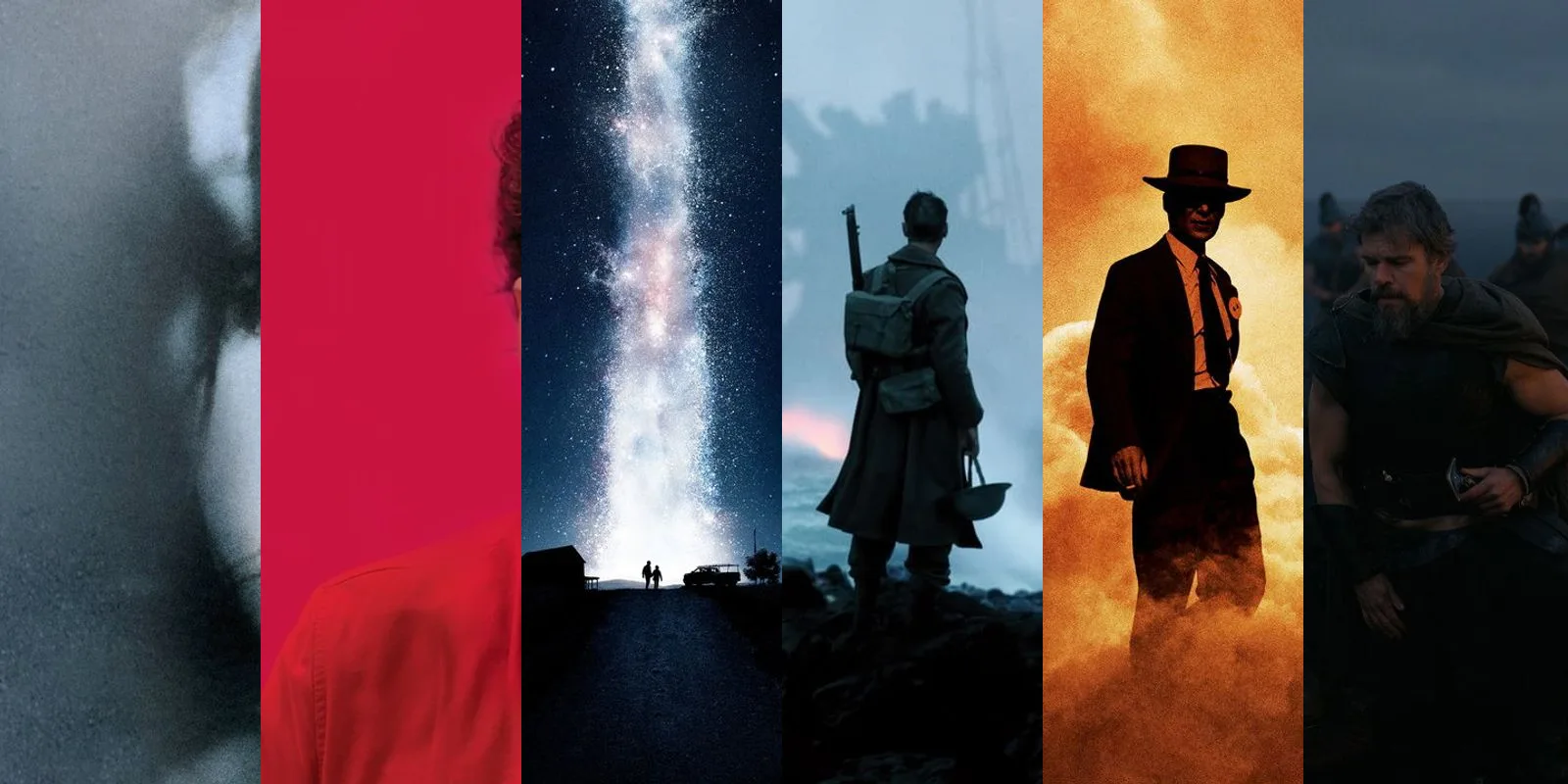
The film that first positioned him as someone to watch was Tomas Alfredson's Let the Right One In (2008). Shot in natural and near-natural light in the Swedish winter, the film had a tactile severity that distinguished it from genre peers. Van Hoytema and Alfredson reunited for Tinker Tailor Soldier Spy (2011), a Cold War procedural he shot in a palette so drained of color it read as institutional.
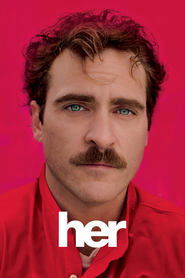
Spike Jonze's Her (2013) inverted the premise. Set in a saturated near-future Los Angeles, the film required van Hoytema to fill the frame with warmth and physical presence in a story built around absence. He shot anamorphically, keeping compositions loose enough that the lack of a second body registered without announcement. The film was nominated for Best Picture.
The IMAX Years
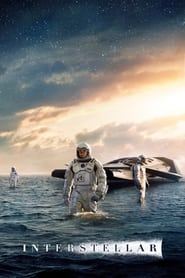
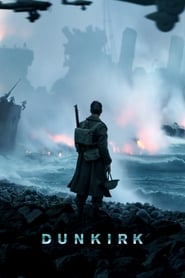
Christopher Nolan hired him for Interstellar (2014), the first of what would become a sustained creative partnership. By Dunkirk (2017) they were shooting predominantly on IMAX film. Van Hoytema has described the format as "undeniably the best and most visceral," one that "harvests light and spreads it out over the biggest amount of celluloid, which ultimately gives it the highest resolution."
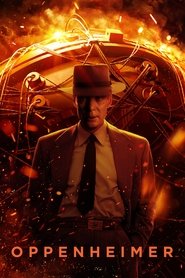
Oppenheimer (2023) made the collaboration official at the awards level. Van Hoytema won the Academy Award for Best Cinematography at the 96th Oscars, alongside the BAFTA and the American Society of Cinematographers Award.
The First
The Odyssey (2026) is the first feature film shot entirely on IMAX cameras. Every scene. Nolan and van Hoytema had been moving toward this incrementally across four films. Here they committed. The primary camera was the IMAX Keighley, a newly developed 15/70 film camera built with IMAX specifically for this production.
The camera introduced a practical problem: it is extremely loud. A soundproof blimp housing was constructed around the body to allow live sound recording during dialogue scenes. When the blimped camera became too large to position between actors, van Hoytema's crew deployed mirrors near the lens so actors could hold their eyelines against each other's reflections. Matt Damon, who plays Odysseus, described the result as working "seamlessly," adding that on set he lost track of the fact that he was looking at a mirror at all.
The Odyssey opened to $264 million globally. Van Hoytema is credited on the first feature in the history of the medium to have been shot on IMAX film from first frame to last.