The Image
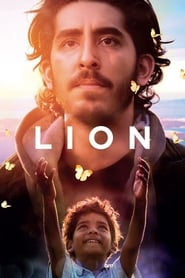
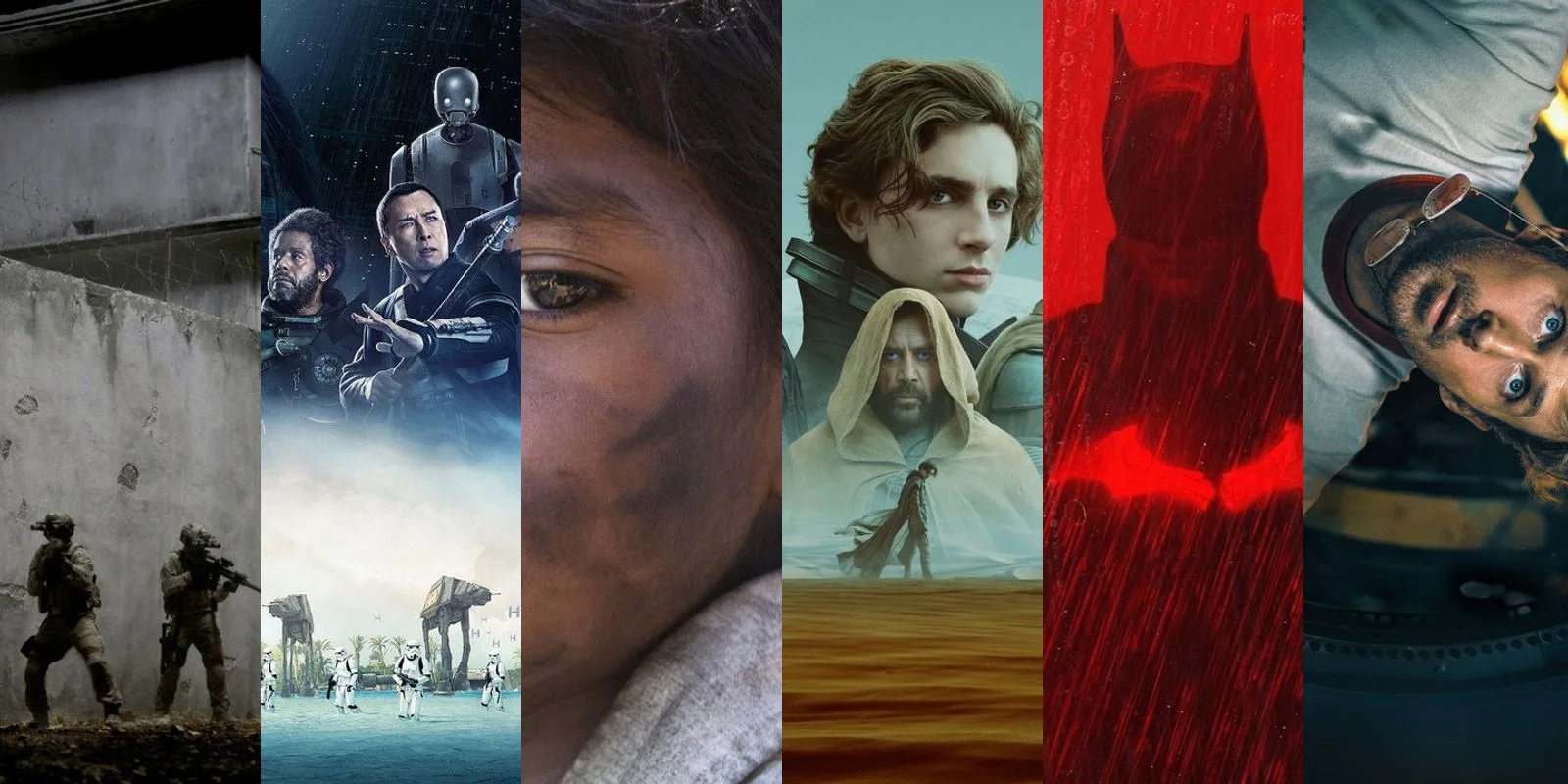
Greig Fraser does not make anonymous work. Born in Melbourne in 1975, the Australian cinematographer built his reputation on restraint and precision. His early Hollywood collaborations, with Kathryn Bigelow on Zero Dark Thirty (2012) and Bennett Miller on Foxcatcher (2014), established a template: immersive, unadorned, deeply physical. Light as information, not decoration.
The Pattern
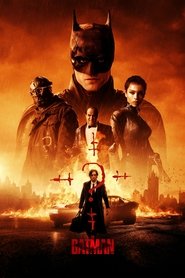
The collaborations define the career. With Denis Villeneuve, Fraser shot Dune (2021) and Dune: Part Two (2024), earning the Oscar, BAFTA, and ASC Award for the first film. His technique for the Dune films involved a film-out process: transferring digital footage to celluloid and rescanning it. He described the result as "more organic than digital, but less organic than film." With Matt Reeves on The Batman (2022), he built Gotham from rain and practical neon. Roger Deakins praised the work publicly and expressed surprise at its Oscar snub. With Gareth Edwards, Fraser shot Rogue One: A Star Wars Story (2016) on the Arri Alexa 65 with 1970s Panavision lenses, reportedly the first feature film shot entirely on that camera. These are not the films of a cinematographer who takes the same gig twice.
The Next Frame
Fraser's most recent film, Project Hail Mary (2026), directed by Phil Lord and Christopher Miller for MGM, continues his pattern of choosing science fiction that demands image-making over spectacle. According to Wikipedia, Fraser is also in production on The Beatles: A Four-Film Cinematic Event (2028), Sam Mendes's unprecedented four-director biography of the band. Shooting four simultaneous films is a logistical challenge with few precedents in studio filmmaking. It is the kind of problem Greig Fraser seems to prefer.