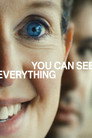
No documentary has ever been nominated for Best Picture at the Academy Awards. In 98 years of Oscar history, the closest any nonfiction film came was Chang: A Drama of the Wilderness, which received a nomination for Best Unique and Artistic Picture at the very first ceremony in 1927, a category dropped two years later. That record may be about to change.
Lance Oppenheim and Nathan Fielder's You Can See Everything opened on October 16 to $15 million from 855 domestic theaters, with a per-screen average above $17,000. According to Screen Rant, it is the biggest opening for a non-music documentary since Michael Moore's Fahrenheit 9/11 in 2004. It holds a 99% Tomatometer and 98% Popcornmeter score, and sits as Letterboxd's highest-rated film of the year.
The film centers on Elizabeth Holmes in the months before she reported to federal prison, mixing verité documentary footage with partial reenactment to examine the psychology and public perception of the Theranos founder. It debuted as a surprise world premiere at the Telluride Film Festival earlier this year.
A24 is submitting the film for consideration in six Oscar categories: Best Picture, Best Director, Best Supporting Actress, Best Documentary Feature Film, Best Film Editing, and Best Original Score. Gold Derby's expert panel now gives it a 50% chance of receiving a Best Picture nomination, while Kalshi prediction markets place its odds of winning the category at 16%. The Playlist named it a "possible" Best Picture contender in its October 21 forecast.
The Oscars have recognized documentaries in Best Film Editing, Best Original Score, Best Sound, and Best Animated Feature. But Best Picture has been closed to nonfiction for nearly a century. Whether You Can See Everything breaks that barrier will define one of the central conversations of this awards season.