The School That Didn't Want Him
Hoyte van Hoytema was born in 1971 in Horgen, Switzerland, and raised with ambitions toward filmmaking. Two Netherlands film schools rejected him. He worked in a soap factory. He joined a band. Then he enrolled at the Łódź Film School in Poland, the same institution that trained Andrzej Wajda, Roman Polanski, and Krzysztof Kieślowski. He graduated and went to work.
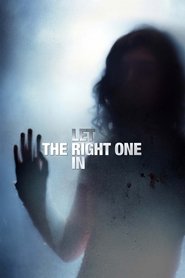
His breakthrough came in 2008 with Tomas Alfredson's Let the Right One In, a Swedish vampire film that redefined what atmospheric horror could look like. Van Hoytema's muted, wintry palette, drawn mostly from available light, announced a cinematographer with a particular relationship to restraint. He was 36.
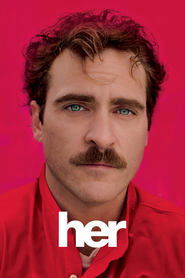
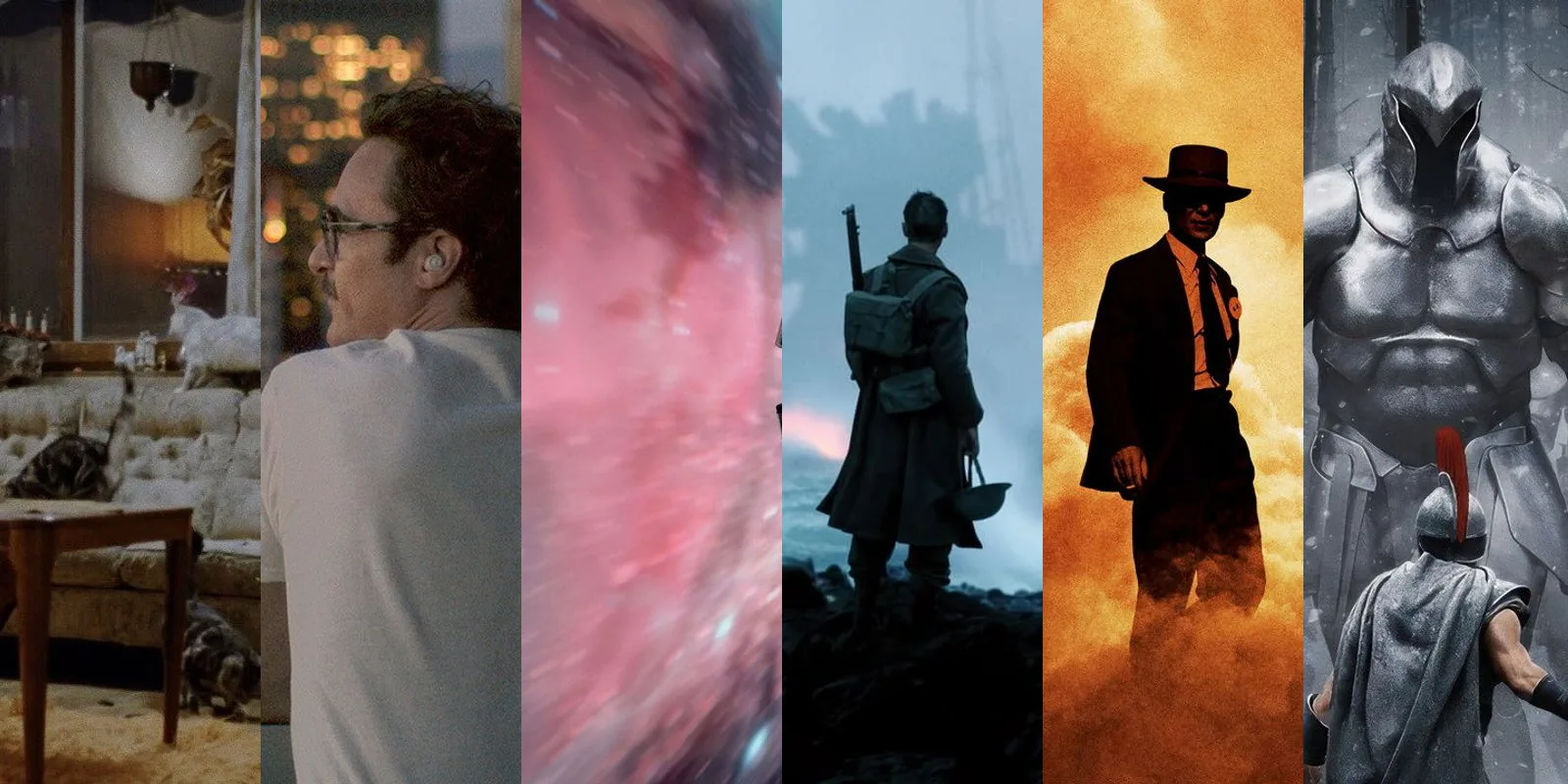
From there the ascent was deliberate. Tinker Tailor Soldier Spy (2011) showed he could carry a period espionage thriller without excess. Spike Jonze's Her (2013) revealed something warmer: muted oranges and deep washed pinks, a Los Angeles that felt like it was already disappearing.
The Grammar of Grain
Van Hoytema does not shoot digital. His commitment to photochemical film is not nostalgic. Grain, to him, is information. The way light registers on celluloid carries a tactile presence that no digital sensor has yet replicated.
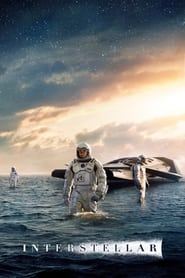
His collaboration with Christopher Nolan began with Interstellar in 2014. Both are committed formalists. Nolan's architectural geometry and van Hoytema's cellular, organic texture formed a new grammar for studio spectacle: intimate at scale, made of actual light rather than simulated data.
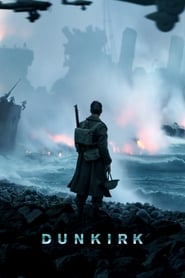
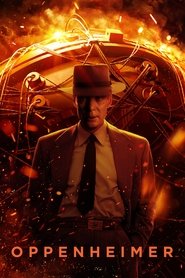
That grammar compounded over four more collaborations. Dunkirk (2017) earned van Hoytema his first Oscar nomination for Best Cinematography. Shot on 70mm film, largely handheld, across the beaches of France and the English Channel, it is among the most spatially precise war films ever made. Oppenheimer (2023) won him the Academy Award for Best Cinematography. Shot in both color and black-and-white, across multiple film stocks and formats, it demonstrated a range that most cinematographers never approach.
The Scale That Didn't Exist Yet
The Odyssey (2026) is the first feature film ever shot entirely on IMAX cameras. Not the key sequences. Every frame.
To make it possible, Nolan and van Hoytema worked directly with IMAX engineers to develop new, lighter-weight cameras capable of sustained use across extended location work. IMAX engineered a blimp casing around the mechanism to absorb noise during dialogue. The production moved through Greece, Morocco, Italy, Iceland, and Scotland.
"This has been an absolute nightmare to film — but in all the right ways," Nolan said at CinemaCon 2026.
The September 2026 issue of American Cinematographer opens with van Hoytema and Nolan discussing the shoot in detail, including how the constraints of the new camera format shaped the film's visual language from the first day of photography.
Van Hoytema's credit on The Odyssey closes a loop that began with Interstellar. Over twelve years, he has systematically expanded what a motion picture camera can contain.