
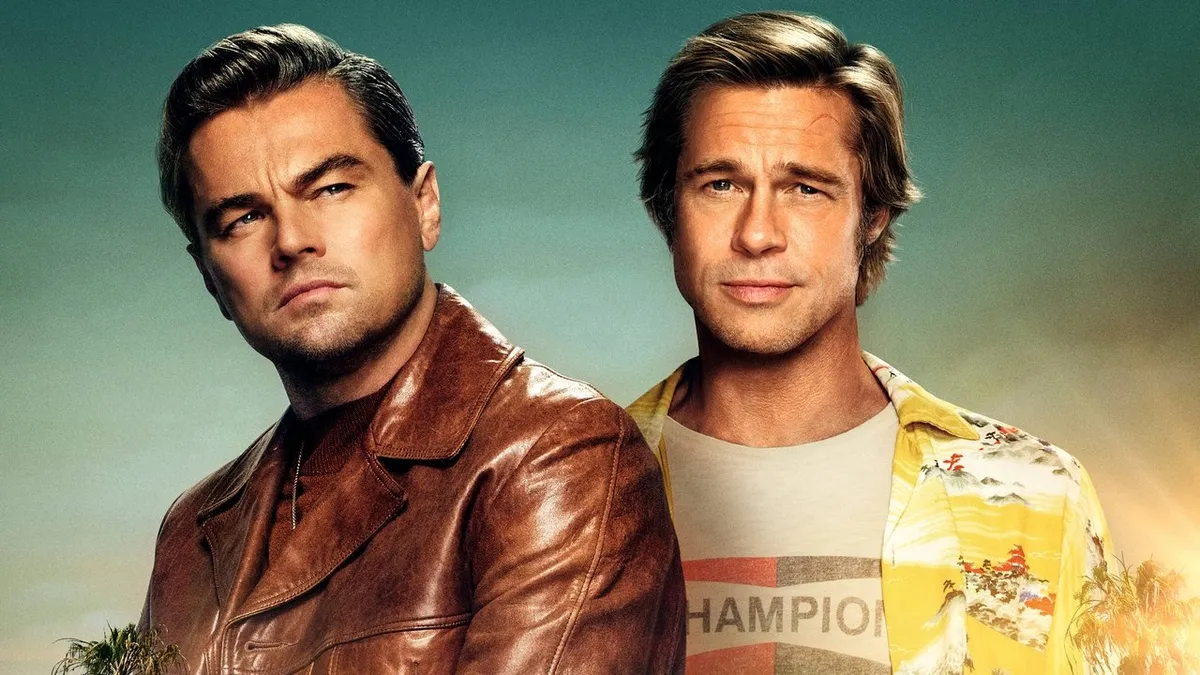
Barbara Ling, the production designer who rebuilt 1969 Los Angeles from the ground up for Quentin Tarantino's Once Upon a Time in Hollywood, died July 10 in Santa Barbara, California. She was 73. The cause was cancer. She is survived by her wife, Lindsay, and their sons, Clay and Will.
Her family described her as "equally gifted at period authenticity, contemporary realism, and stylized fantasy," adding that she left behind "a legacy that profoundly influenced the art of production design and the visual language of modern filmmaking."
The Work Behind the Frame
Ling began in theater and opera, designing more than 200 stage productions before transitioning to film in 1986 with David Byrne's True Stories. Her screen work ranged from Oliver Stone's The Doors (1991) to Joel Schumacher's Batman Forever (1995) and Batman & Robin (1997) to Marc Forster's A Man Called Otto (2022).
Once Upon a Time in Hollywood defined her legacy. Ling resisted digital compositing entirely. She restored actual facades along Hollywood Boulevard and Westwood to their 1969 condition, working around structural assessments on historic buildings. "The night of the first shoot when all the neon lit up and the period cars came out," she said in a 2019 interview, "you absolutely believed you were in 1969 because everything was real."
She and set decorator Nancy Haigh won the Academy Award for Best Production Design, alongside a Critics' Choice Award and an Art Directors Guild Award. Her final film was Michael (2026), directed by Antoine Fuqua.
What the Industry Buries
Production designers author the visual world of every film. They receive fourth billing in a press release on a good day. Ling's death was reported July 10. By the following day, most entertainment outlets had moved on. The gap between the craft and the coverage has always been there.
