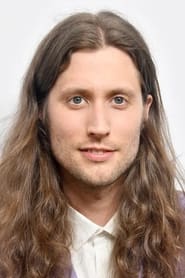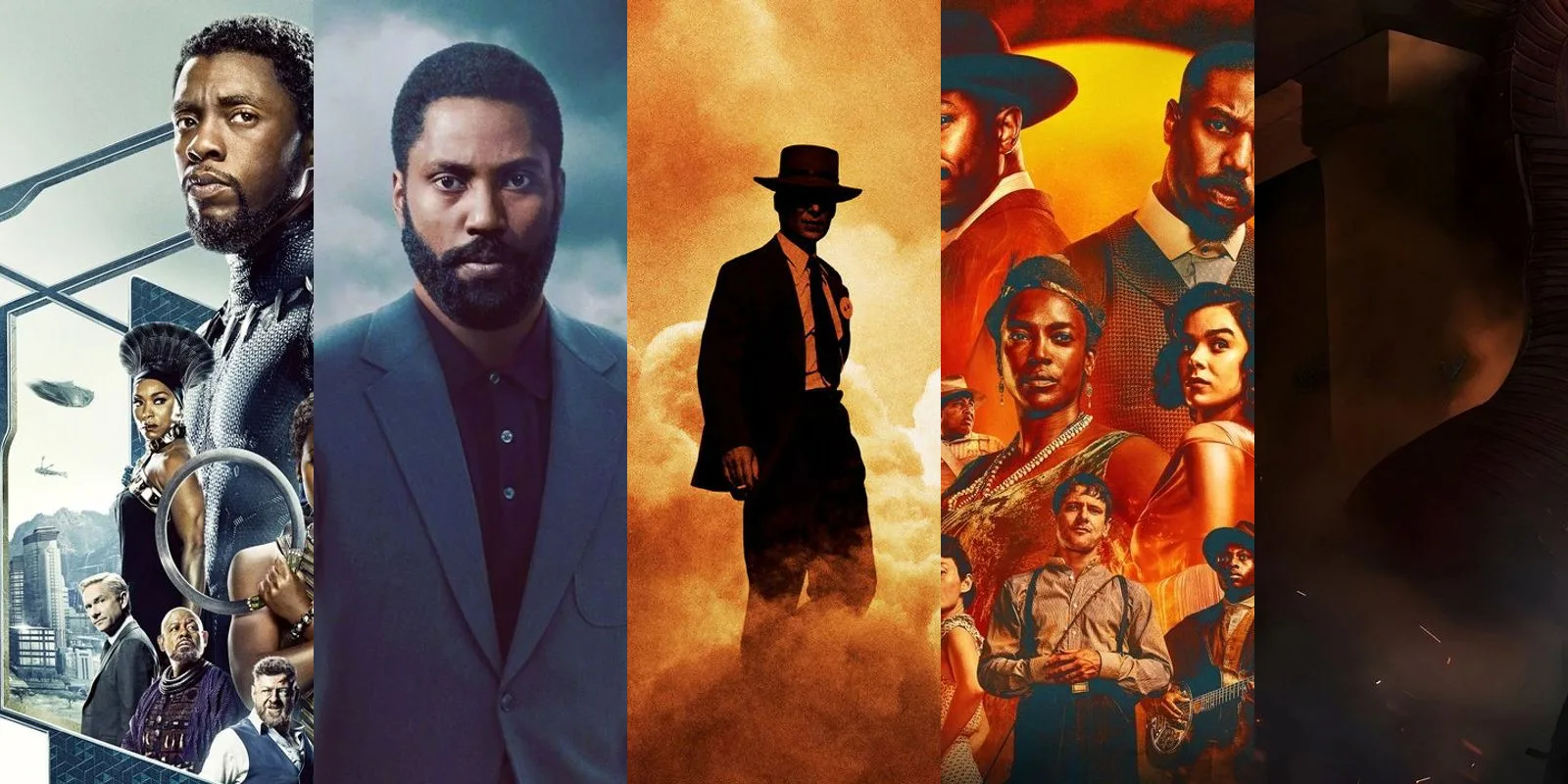
Ludwig Göransson arrived on The Odyssey with a constraint: no orchestra. Christopher Nolan set the parameter early. In an interview with Time, Göransson explained the logic: "It's not like the orchestra existed back then."
What he built instead was a score constructed from 35 bronze gongs of varying sizes, synthesizers layered over percussion, and two period-accurate instruments rarely heard in contemporary cinema: the aulos, an ancient Greek double-pipe reed instrument, and the lyre. Specialist musicians were recruited for both. Callum Armstrong researched 6th-to-5th-century BC aulos technique before recording. Rosa Fragorapti played the lyre using historically grounded methods. Vocalist James Blake contributed to the texture. Travis Scott also appears in the film itself as a bard, a casting choice Nolan has described as rooted in the connection between oral poetry and rap as a narrative tradition.
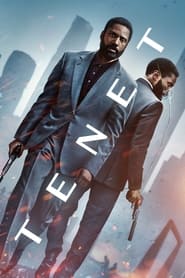
The Odyssey opened to $124.5 million domestically last weekend. It is Göransson's third film with Nolan, following Tenet (2020) and Oppenheimer (2023), and his most audibly radical score to date.
Three Records
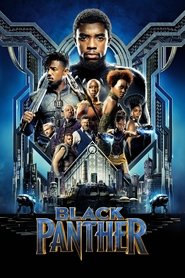
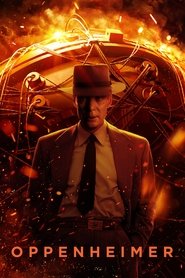
Göransson holds three Academy Awards for Best Original Score. At 41, he is the youngest composer since André Previn to reach that milestone, and the second-youngest ever. The first Oscar came in 2019 for Black Panther, a score built on West African rhythms at orchestral scale. The second came in 2024 for Oppenheimer, where he used the violin as a psychological instrument, mapping J. Robert Oppenheimer's interior state across three hours. The third arrived earlier this year for Sinners, a score that fused Swedish folk music with Mississippi blues and gospel traditions. That campaign also produced a Golden Globe, a Critics Choice Award, and two Grammys.
Three Oscars. Three entirely different sonic languages.
The Partnerships
Two directors define Göransson's feature career: Ryan Coogler and Christopher Nolan. He met Coogler at USC, where both attended film school. Their collaboration began with Fruitvale Station (2013) and has continued through Creed, Black Panther, Black Panther: Wakanda Forever, and Sinners. With Nolan, the partnership started on Tenet and has now produced three consecutive original scores, each built around a different formal constraint.
Göransson has described his compositional logic as a search for frequencies outside acoustic possibility. "An orchestra has dynamic range and expression," he told Classical Music magazine, "but there are some frequencies that are part of our world today that an acoustic orchestra is not gonna be able to reach." The Odyssey inverts the principle entirely: no modern frequencies, only what the ancient world could produce, plus metal, scrap, and gongs that have never appeared on a film score before.
Awards season is months away. But a film that opened to $124.5 million on an orchestrally banned score is already a case study in what restraint can do.