
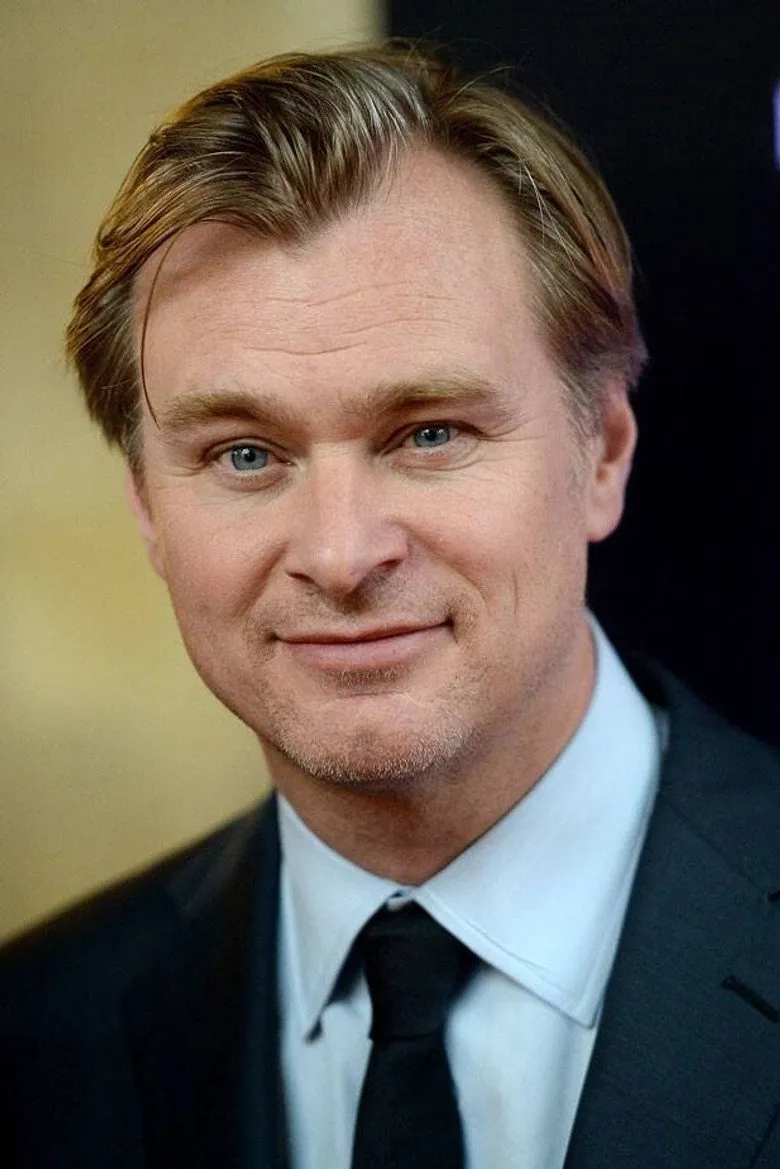
Christopher Nolan named a specific failure in contemporary film criticism last week, during a press stop in Beijing for The Odyssey. Speaking to political philosophy lecturer Zhong Shu for Bilibili, Nolan argued that recognizing a storytelling device does not diminish its effect.
"To be able to identify the mechanism does not invalidate the mechanism," Nolan said. "And that's a real problem in criticism today." He drew a line between amateur and professional readers of film, noting that "professional film criticism tends to understand the necessity for the mechanisms." The comment pointed at a mode of reception, common in online discourse, where identifying a structural move is treated as evidence that the move failed.
Nolan framed Hollywood narrative convention as a shared language rather than a constraint: "a lingua franca of storytelling created by Hollywood for the last hundred years that is effectively universal." His argument was not for convention's sake but for intentional use of it. "You can't throw everything away," he said. "You have to make your choices in terms of how you are arranging the story."
The interview also covered Nolan's interpretation of the Greek gods: "For me, the gods are real, but they are inside the people. They are being projected by the people." He connected The Odyssey back to Oppenheimer, his previous film: "it partly comes out of having worked on Oppenheimer before this, which is very much a film about the end of the world."
The remarks arrived days after classicist Emily Wilson publicly criticized the film's application of contemporary American values to Homer's poem. The Odyssey, which stars Matt Damon, is scheduled to open in China on August 14.

